Homemade Fruit Leather
Making fruit leather at home is a really practical way to use up extra fruit, especially when you’ve got seasonal produce that needs using quickly. It’s simple to prepare, stores well, and makes an easy homemade snack to keep on hand for lunchboxes or busy days.
For this batch, I used canned apple, fresh feijoa, and red kiwifruit, which gave a really nice balance of sweetness and tartness. The apple helps smooth everything out, while the feijoas bring plenty of flavour and the red kiwifruit adds a lovely colour.
This recipe was made using my Bio Chef 9 Tray Dehydrator, and the mixture ended up filling roughly 12 trays altogether. The amounts don’t need to be exact though — this is the sort of recipe that works well with whatever fruit you have available.
It’s flexible, straightforward, and a good reminder that preserving food at home doesn’t always need to be complicated.
Watch the Video
There is a YouTube video over on Farmers Wife Homestead showing how I made this batch of homemade fruit leather in the dehydrator.
If you haven’t made fruit leather before, it’s helpful to see the consistency of the fruit puree and how thinly it’s spread onto the trays before drying. The video also gives a better idea of the finished texture you’re aiming for.
Preserving Fruit with Homemade Fruit Leather
Links to Other Recipes
If you enjoy practical dehydrating recipes like this, you might also like:
- How to Dehydrate Parsley | Preserve Fresh Herbs for Months
- How to Make Your Own Lemon Pepper Seasoning
- Homemade Beef Jerky | Simple Marinades, Big Flavour!
Recipe Card
Makes: Approx. 12 trays
Prep time: 20 minutes
Dehydrating time: 8–12 hours (approx.)
Ingredients
- 2 × 380 g cans apple
- 2 kg feijoa flesh (scooped from the skins)
- 8 red kiwifruits
The amounts can vary depending on how much fruit you have available.
Method
- Prepare the fruit by scooping out the feijoa flesh and remove the kiwifruit skin. Drain excess liquid from the canned apple if needed.
- Add all the fruit to a blender or food processor and blend until completely smooth.
- Using a slotted spoon, scoop the fruit mixture onto dehydrator trays lined with non-stick sheets or baking paper. This helps leave behind any excess liquid, so the fruit leather dries more evenly. Spread the mixture into a thin, even layer.
- Place the trays into the dehydrator and dry at around 55°C – 60℃ until the fruit leather is dry to the touch but still flexible. This can take anywhere from 8–12 hours, depending on the thickness and moisture content of the fruit.
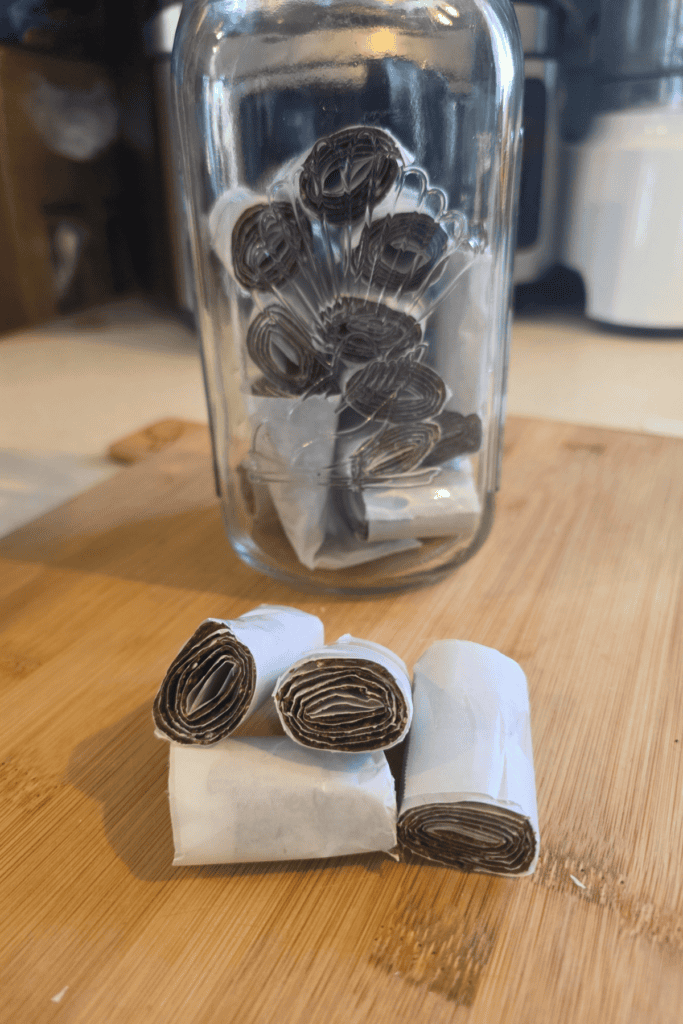
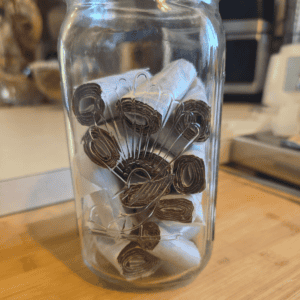
- Once fully dried, peel the fruit leather off the trays. Place the leathers onto baking paper or wax paper and roll them up tightly. Once rolled up cut them into strips.
- Roll up and store in an airtight container.
What to Serve with This Recipe
- Lunchboxes
- Afternoon snacks
- Picnic platters
- Road trip or hiking snacks
Stacey’s Kitchen Tips
- Spread the puree evenly so it dries consistently
- Thicker areas will take longer to dry
- Slightly under-dried fruit leather can become sticky during storage
- Different fruits will change both the colour and drying time
Variations & Substitutions
- Try apple and berry or mango and banana combinations
- Add a squeeze of lemon juice for extra tartness
- Use frozen fruit if fresh isn’t available
- Blend in a little honey if the fruit is particularly tart
Storage, Freezer & Make-Ahead Notes
- Store in an airtight container can last months if stored correctly and dehydrated properly.
- Keep in a cool, dry place
- Freeze the unhedrydrated fruit mix to make more batches as needed.
- Separate layers with baking paper if stacking
Final Thoughts
This is such a handy recipe to have when fruit is plentiful. It’s simple to make, easy to customize, and a really good way to turn extra fruit into something useful for the pantry.
Stacey
Homemade Fruit Leather
Ingredients
- The amounts can vary depending on how much fruit you have available.
- 2 x 380g cans apple
- 2 kg feijoa flesh scooped from the skins
- 8 red kiwifruit
Instructions
- Prepare the fruit by scooping out the feijoa flesh and remove the kiwifruit skin. Drain excess liquid from the canned apple if needed.
- Add all the fruit to a blender or food processor and blend until completely smooth.
- Using a slotted spoon, scoop the fruit mixture onto dehydrator trays lined with non-stick sheets or baking paper. This helps leave behind any excess liquid so the fruit leather dries more evenly. Spread the mixture into a thin, even layer.
- Place the trays into the dehydrator and dry at around 55°C – 60℃ until the fruit leather is dry to the touch but still flexible. This can take anywhere from 8–12 hours, depending on the thickness and moisture content of the fruit.
- Once fully dried, peel the fruit leather off the trays. Place the leathers onto baking paper or wax paper and roll them up tightly. Once rolled up cut them into strips.
- Roll up and store in an airtight container.
Notes
Notes
- Fruit leather should feel dry but still bend without cracking
- Drying time will vary depending on fruit moisture and thickness
Variations
- Try different fruit combinations depending on season
- Add honey or lemon juice to adjust flavour
Equipment
- BioChef 9 Tray Dehydrator