Could This Be New Zealand’s First Electric Pressure Canner?
For many years, home preservers in New Zealand have watched electric pressure canning develop overseas while wondering if we would ever have access to something similar here.
The challenge has always been that many of the electric canning appliances sold in America aren’t designed for New Zealand power systems and plug configurations. While traditional pressure canners remain available, finding an electric option that works here has been much more difficult.
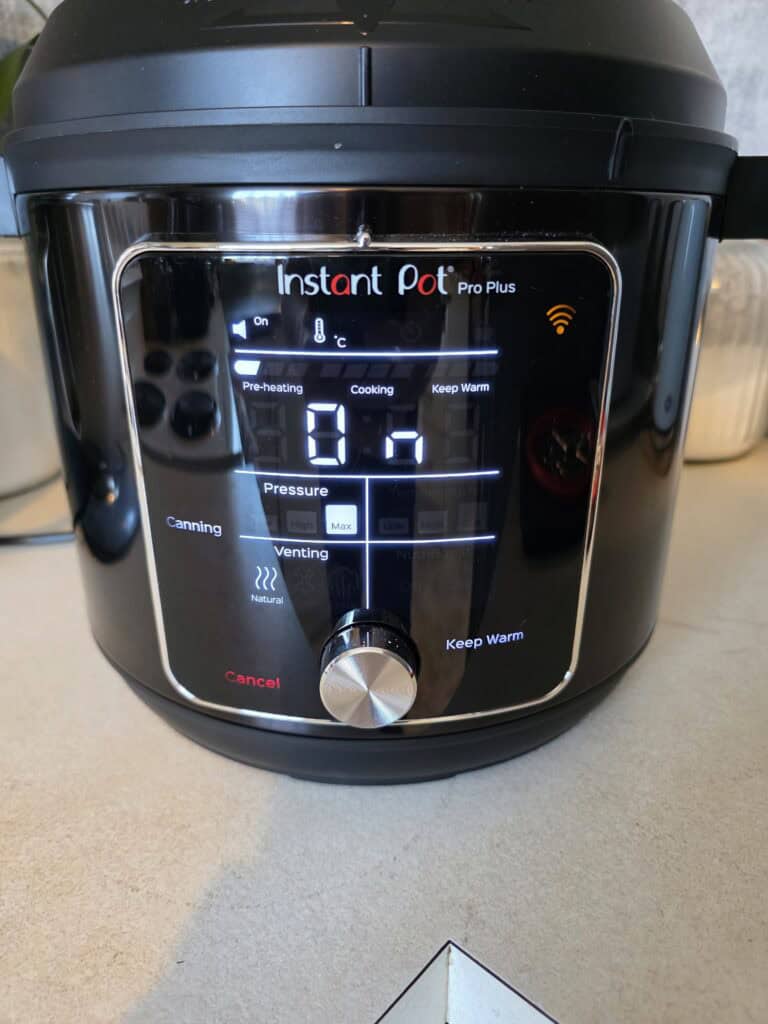
That is why I was so excited when I came across the Instant Pot Pro Plus 5.7L and discovered it includes pressure canning functionality.
After finding one on sale at Briscoes for $299, I decided it was time to put it to the test.
Why I Decided to Try It
Like many home preservers, I already own larger pressure canners. They do a fantastic job, but there are times when I simply don’t want to pull out a large canner for a small batch.
Sometimes I only have a few jars to preserve. Perhaps it is a handful of beans from the garden, a small batch of stock, or a few jars of something I want to get safely onto the shelf.
That is where an electric pressure canner becomes appealing.
The Instant Pot Pro Plus promised a convenient way to process smaller batches without needing to set up larger equipment.
YouTube Video
I recently filmed a full video showing the Instant Pot Pro Plus in action as we pressure can beans and put this machine through its paces.
Watch the video here: Could This Be New Zealand’s First Electric Pressure Canner?
Recipes you might like to try with the canner:
Homemade Beetroot Relish, Sweet & Tangy
Putting It to the Test
For my first trial, I decided to can beans.
Beans are considered a low-acid food, which means they require pressure canning for safe preservation.
The Instant Pot Pro Plus includes a Max setting that reaches 15 PSI, which is the pressure needed for pressure canning low-acid foods. It also includes lower pressure settings suitable for high-acid foods such as:
- Jams
- Chutneys
- Relishes
- Fruit preserves
- Pickles
Being able to process both high-acid and low-acid foods in one appliance makes it a versatile addition to the preserving kitchen.
My Results So Far
I have been genuinely impressed with the results.
The machine performed well, was easy to use, and gave me confidence throughout the process. The jars sealed beautifully, and the overall experience was much simpler than setting up larger equipment for a small batch.
For anyone wanting to preserve food more regularly in smaller quantities, I can definitely see the appeal.
The One Drawback I’ve Found
No appliance is perfect, and there is one limitation worth mentioning. The 5.7L capacity means it is a fairly compact unit.
Using my usual New Zealand-style round pint jars, I can fit:
- 3 pint jars comfortably
If you use Ball-style pint jars, you should be able to fit:
- 4 pint jars
For some people, this may feel limiting. For me, it simply means this machine fills a different role in the kitchen. I see it as a small-batch preserving tool rather than a replacement for my larger pressure canners.
When I am preserving large harvests, I will still reach for the bigger canners. When I only need a few jars done, this machine is likely to become my first choice.
A Bigger Option May Be Coming
One piece of news that has caught my attention is that Oz Farmer in Australia may soon be bringing in a larger electric canning model.
If that becomes available, it will certainly be something I look into further.
Many Kiwi preservers already source their canning equipment from Australia due to the wider range of products available there.
It would be wonderful to see more New Zealand retailers supporting the home preserving community with affordable canning supplies, equipment, jars, and replacement lids.
My Go-To Jars and Lids
When it comes to preserving supplies, I continue to have excellent results using Goodlife jars and lids.
Reliable jars and quality lids are every bit as important as the canner itself, and having dependable equipment gives me confidence when preserving food for my family.
Don’t Overlook Second-Hand Jars
One of my favourite ways to build a preserving collection is by keeping an eye on op shops, thrift stores, garage sales, and second-hand markets.
Many people donate perfectly usable preserving jars without realising their value.
When shopping second-hand, I look for:
- Chips around the rim
- Cracks in the glass
- Excessive wear
- Matching sizes that fit my preserving needs
A good jar can often serve for many years when cared for properly.
The lids should always be inspected carefully and replaced when necessary, but the jars themselves can often be a very economical way to grow your preserving collection.
Save Those Supermarket Jars
Another option many Kiwi preservers overlook is simply saving jars from the supermarket.
Many products come packaged in glass jars with lug-style lids that can be reused for home preserving.
These jars can be useful for a variety of preserving projects and can help reduce waste while keeping costs down.
I have used many recycled jars over the years and appreciate having a range of sizes available for different foods.
There is quite a bit to say about reusing supermarket jars safely, so I’ll save a more detailed discussion for a future blog post dedicated entirely to that topic.
Final Thoughts
The Instant Pot Pro Plus has been a welcome addition to my preserving kitchen.
While it won’t replace my larger canners, it fills an important gap for small-batch preserving and everyday use. For Kiwi home preservers who have been waiting for an electric pressure canning option that is readily available here in New Zealand, this may be one of the most exciting developments we’ve seen in years.
I’m looking forward to putting it through many more preserving projects and sharing those results with you along the way.
Have you tried electric pressure canning, or are you considering it? I’d love to hear your thoughts and experiences in the comments below.