3 Ways to Make Homemade Sour Cream
There always seems to be that one recipe that calls for sour cream just when you realize you don’t have any in the fridge. Rather than making another trip to the supermarket, I decided to see whether I could make my own using ingredients I already had on hand.
After experimenting with three different methods, I was surprised by how well they all worked. Although each method started with the same base ingredient, they all produced a slightly different flavour and texture. As a result, you can simply choose the method that best suits the ingredients you already have available.
One thing that’s worth keeping in mind is that kitchen temperature can affect how quickly homemade sour cream thickens. From my experience, it can take a little longer during the cooler months, so don’t worry if yours needs a little extra time. Once you understand the process, it’s a simple kitchen skill that’s well worth adding to your repertoire.
Watch the Video
For this Friday Pantry Day, I put three homemade sour cream methods to the test using lemon juice, white vinegar, and live-culture Greek yoghurt.
First, I’ll show you how to make each method step by step. Then we’ll compare the flavour and texture of each one before I share which version I personally preferred. If you’ve ever wondered whether homemade sour cream is worth making, this video will help you decide which method is right for you.
Friday Pantry Day: 3 Ways to Make Homemade Sour Cream
More Friday Pantry Day Recipes
If you’ve been enjoying Friday Pantry Day, here are a few more homemade pantry staples to try:
- Homemade Cream Cheese
- Homemade Peanut Butter
- Homemade Sage & Onion Stuffing Mix
- Italian Herb Breadcrumbs
- Homemade Baking Powder
Recipe Card
Makes: 1 cup
Prep Time: 5 minutes
Resting Time: 12–24 hours
Total Time: 12–24 hours
Ingredients
Option 1 – Lemon Juice
- 1 cup cream
- 4 Tbsp fresh lemon juice (if you use bottled lemon juice, use 2 Tbsp)
Option 2 – White Vinegar
- 1 cup cream
- 4 tsp white vinegar
Option 3 – Live-Culture Greek Yoghurt
- 1 cup cream
- 3 heaped dessert spoons (approximately 3-4 Tbsp) live-culture Greek or plain natural yoghurt
Method
- First, choose one of the three ingredient combinations above.
- Add the ingredients to a clean glass jar, then stir or shake well until thoroughly combined.
- Next, cover the jar with a piece of paper towel or a clean muslin cloth and secure it with a rubber band.
- Leave the jar on the kitchen bench for 12–24 hours, checking after around 12 hours. If the sour cream isn’t thickened add more of the acid you used. Leave for another 6-12 hours.
- Once the sour cream has thickened to your liking, replace the paper towel with a lid and refrigerate.
- Finally, enjoy immediately or store in the refrigerator for up to 2–3 weeks.
Which Method Do I Prefer?
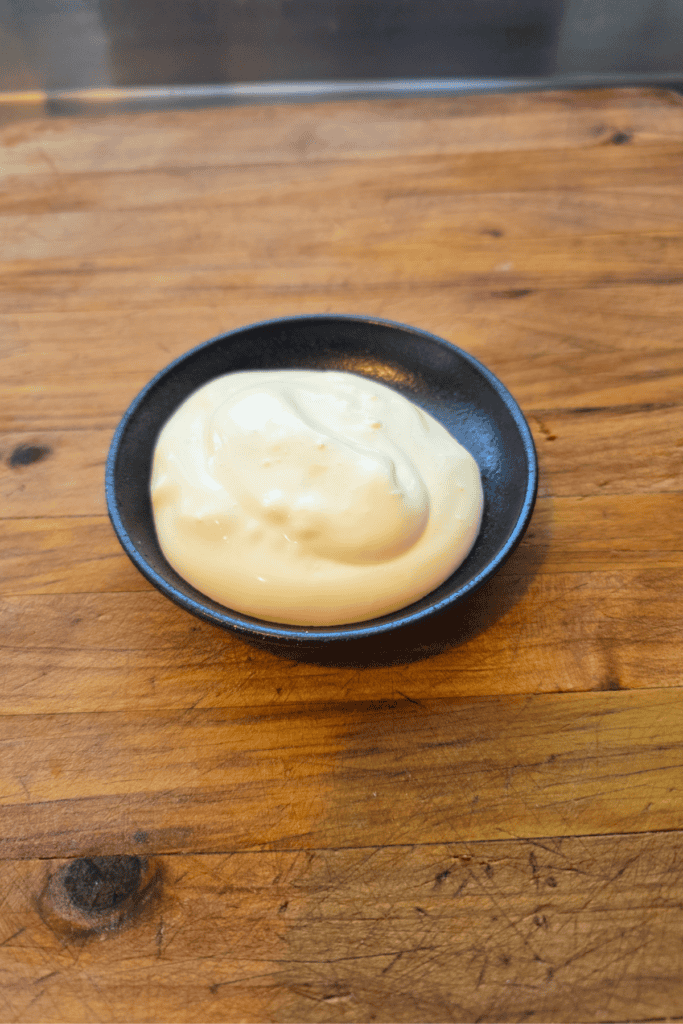
After trying all three methods, my personal favourite was the lemon juice version.
I found it had the tangy flavour I associate with traditional sour cream while still being smooth, creamy, and incredibly easy to make. In fact, it was the one I kept going back to and the method I’d be most likely to make again.
The white vinegar method also produced a lovely tangy sour cream and tasted very similar to the lemon juice version. Therefore, if you don’t have lemons on hand, it’s an excellent alternative.
By comparison, the live-culture Greek yoghurt method was noticeably milder. It still produced a delicious result, but I found it tasted somewhere between sour cream and Greek yoghurt rather than having the stronger tang of traditional sour cream. Because of this, it’s a great option if you prefer a softer, less acidic flavour.
Ultimately, all three methods work well, so you can simply choose whichever ingredients you already have in the kitchen.
Ways to Use Homemade Sour Cream
- Tacos and nachos
- Baked potatoes
- Chilli con carne
- Homemade dips
- Cheesecakes
- Cakes and muffins
- Creamy pasta sauces
- Burritos and quesadillas
- Dolloped onto soups
- Served with baked vegetables
Stacey’s Kitchen Tips
- Kitchen temperature affects how quickly the sour cream thickens, especially during the cooler months.
- Always use a clean glass jar and utensils.
- Check after 12 hours, but don’t worry if it needs the full 24 hours.
- Refrigerate as soon as the sour cream has thickened.
- Always use a clean spoon when serving.
Variations & Substitutions
- Use lemon juice, white vinegar, or live-culture Greek yoghurt depending on what you have available.
- Alternatively, plain natural yoghurt with live cultures can also be used.
- Choose the yoghurt method if you prefer a milder flavour.
- For a tangier, more traditional sour cream, choose either the lemon juice or vinegar method.
Storage, Freezer & Make-Ahead Notes
- Store in the refrigerator for up to 2–3 weeks.
- Always use a clean spoon when serving.
- Keep refrigerated at all times after thickening.
- However, freezing is not recommended, as the texture may separate once thawed.
Final Thoughts
Learning how to make homemade sour cream is one of those simple kitchen skills that’s surprisingly handy to have. Whether you’ve unexpectedly run out or simply enjoy making everyday staples from scratch, it’s satisfying to know you can create a delicious alternative using ingredients you probably already have at home.
I also really enjoyed comparing all three methods. Although each one worked well, it was interesting to see how they each developed their own flavour and character. Having those options means you can simply use whatever ingredients you already have in the fridge or pantry without compromising on the end result.
So, if you’ve never tried making your own sour cream before, I hope this encourages you to give it a go. You might even discover a new favourite way of stocking your pantry and fridge.
Stacey
3 Ways to Make Homemade Sour Cream
Ingredients
Option 1 – Lemon Juice
- 1 cup cream
- 4 Tbsp fresh lemon juice if using bottled reduce the amount of lemon juice by half
Option 2 – White Vinegar
- 1 cup cream
- 4 tsp white vinegar
Option 3 – Live-Culture Greek Yoghurt
- 1 cup cream
- 3 heaped dessert spoons approximately 3- 4 Tbsp live-culture Greek or plain natural yoghurt
Instructions
- Choose one of the three ingredient combinations above.
- Add the ingredients to a clean glass jar and stir or shake well until thoroughly combined.
- Cover the jar with a piece of paper towel or clean muslin cloth and secure it with a rubber band.
- Leave on the kitchen bench for 12–24 hours, checking after around 12 hours. If the sour cream isn't thickened add more of the acid you used. Leave for another 6-12 hours.
- Once the sour cream has thickened to your liking, replace the paper towel with a lid and refrigerate.
- Enjoy immediately or store in the refrigerator for up to 2–3 weeks.
Notes
Notes
- Kitchen temperature affects thickening time.
- Check after 12 hours but allow up to 24 hours if needed.
- If your sour cream hasn’t thickened after 24 hours, stir through a little more lemon juice, white vinegar, or live-culture yoghurt (depending on the method you’re using) and leave it a little longer.
- Refrigerate once thickened.
Variations
- Lemon juice and vinegar produce a tangier sour cream.
- The yoghurt method creates a milder flavour.
- Choose whichever method suits the ingredients you have available.
Storage
- Refrigerate for up to 2–3 weeks.
- Use a clean spoon every time.
- Do not freeze.